About
Why ATLAS exists.
We believe change is possible.
Climate change is global, but emissions are created through billions of individual decisions. ATLAS exists because we believe individual responsibility, multiplied across millions of people, can create meaningful physical change.
It starts with responsibility.
Our daily lives create emissions. Cars, flights, homes, energy, food, and consumption all contribute to the atmosphere we share. We do not believe climate responsibility belongs only to governments or corporations. Individuals also create demand, make choices, and generate emissions.
That is not a reason for guilt. It is a reason for agency. ATLAS is built around a simple principle: reduce what you can, and take responsibility for what remains. If you want to see how that idea becomes measurable forest growth, explore how ATLAS works.
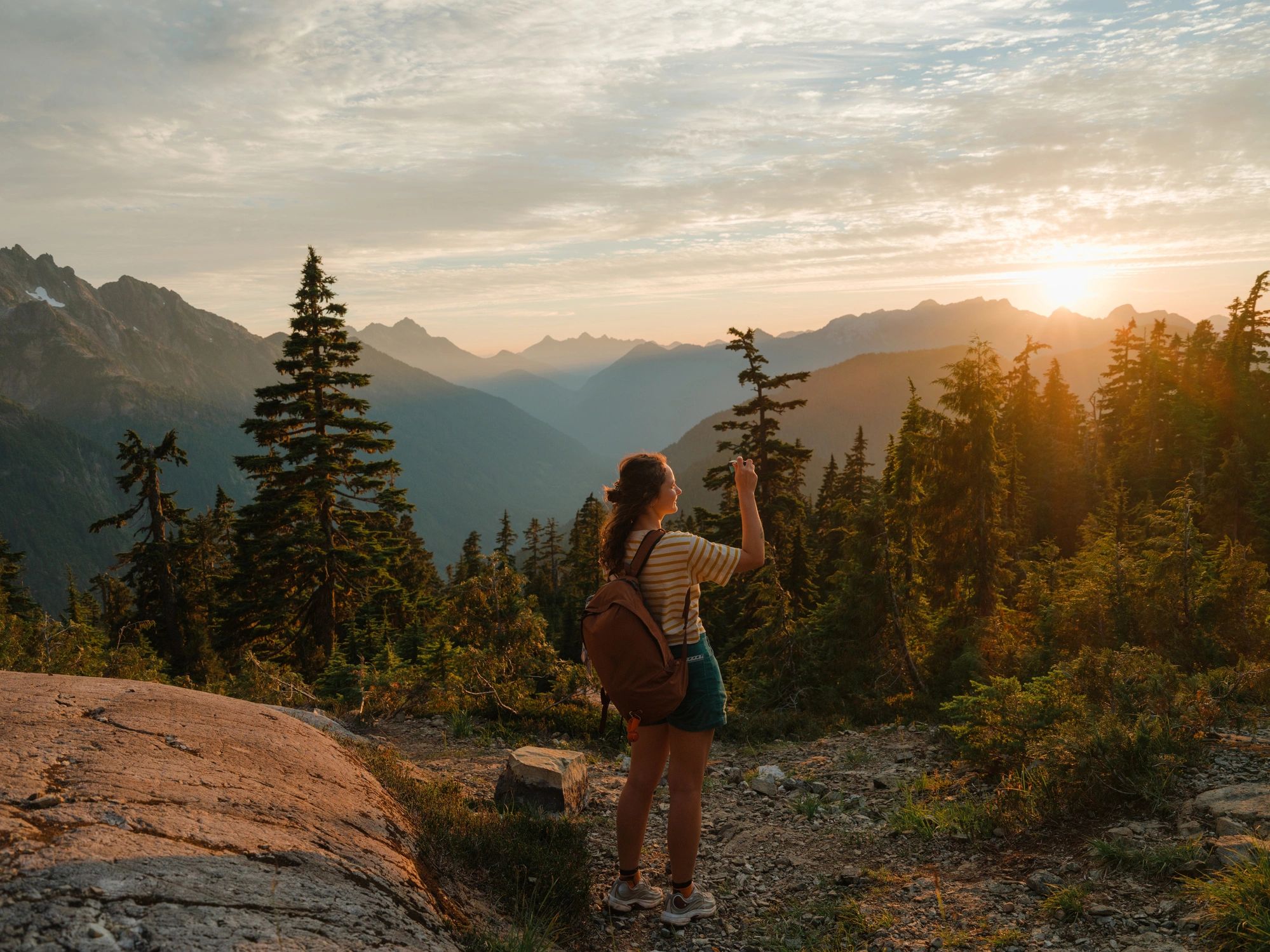
One person is small. Millions are not.
One person’s climate action can feel small when the problem is planetary. But recurring individual action, multiplied across thousands, hundreds of thousands, and eventually millions of people, can create resources large enough to grow forests at meaningful scale.
- One person chooses to act
- Many people choose again and again
- Small decisions begin to fund real growth
- Trees become forest, and forest becomes landscape-scale change
ATLAS is not built on the claim that one person can change the world alone. It is built on the belief that millions of people can change it together.
Grow what wasn’t there before.
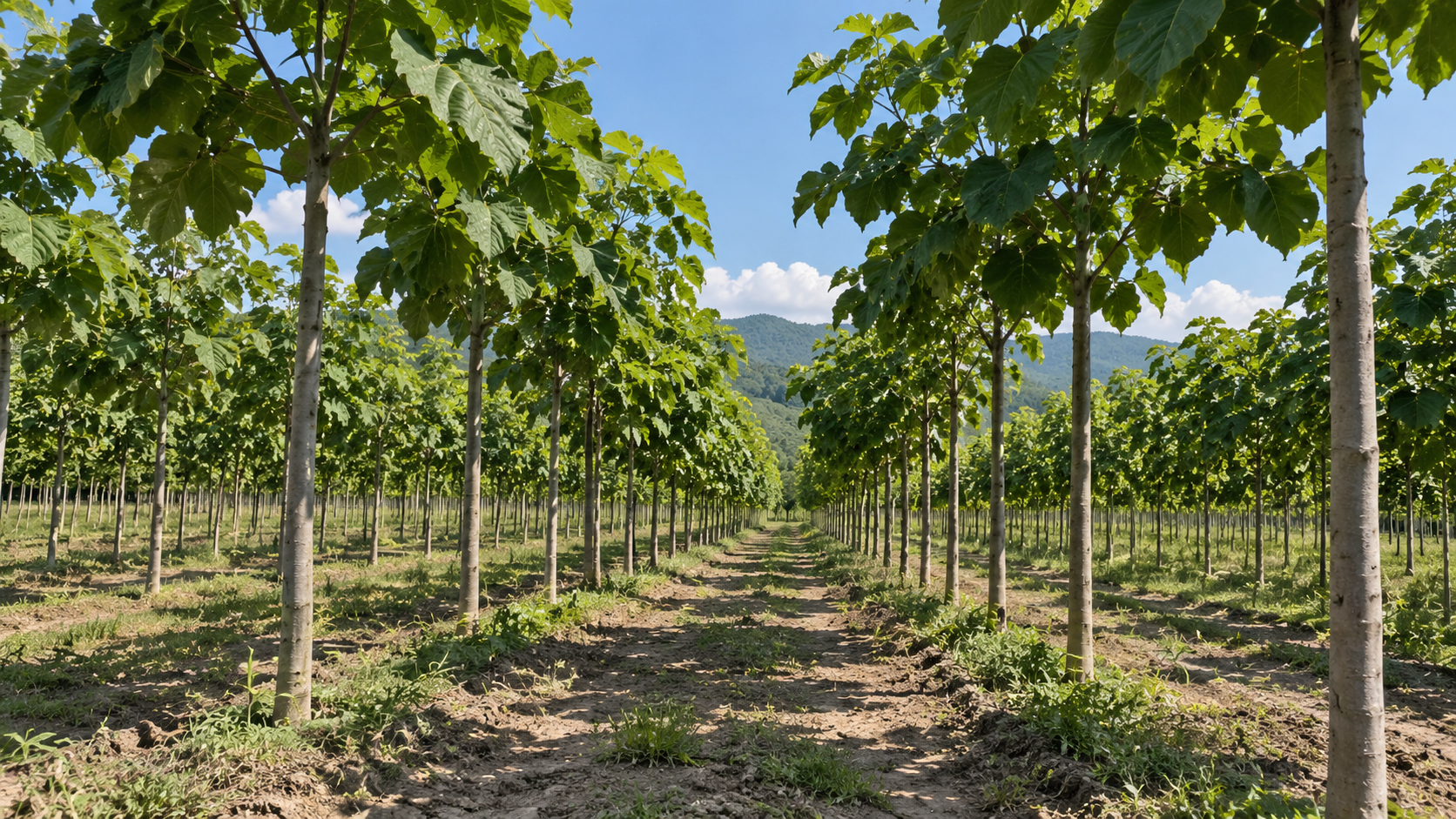
Protecting existing forests matters. ATLAS respects that work. Our focus is different: creating additional forest growth through new trees, new biomass, and new carbon capture.
We are interested in actively managed new forests where growth can be planned, maintained, measured, protected, and monitored over time. Under the right conditions, fast-growing managed species such as Paulownia can play a role, but the larger idea is additional living growth that did not exist before.
Make climate action physical.
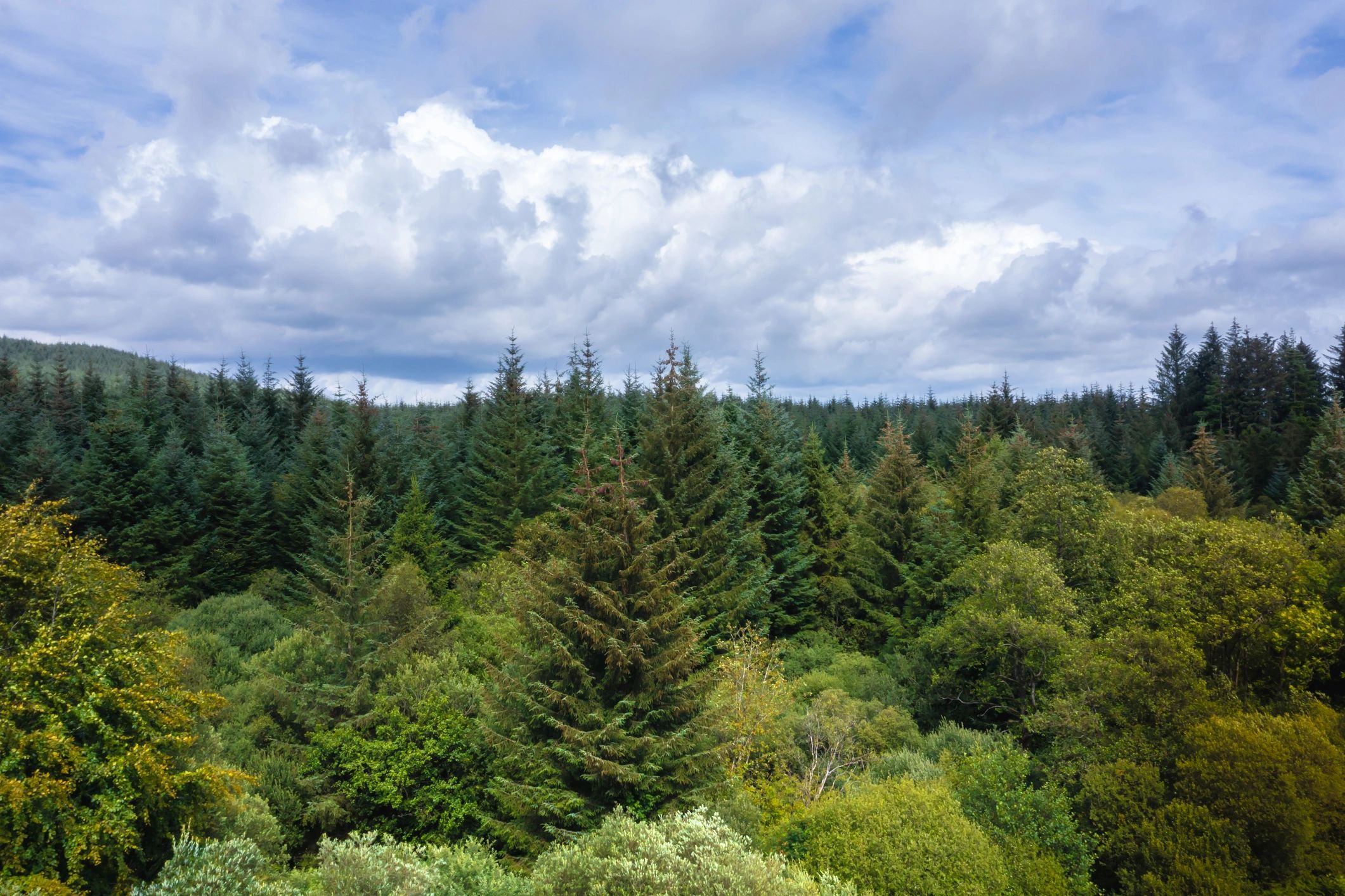
CO₂ is invisible. A certificate is abstract. Land, trees, and forest are physical.
ATLAS is built around the idea that climate action should connect to real land, real trees, and measurable growth. We want the result to feel tangible enough that a person can say: I created emissions. I chose to take responsibility for part of them. I helped make this forest possible.
CO₂
LAND
TREES
FOREST
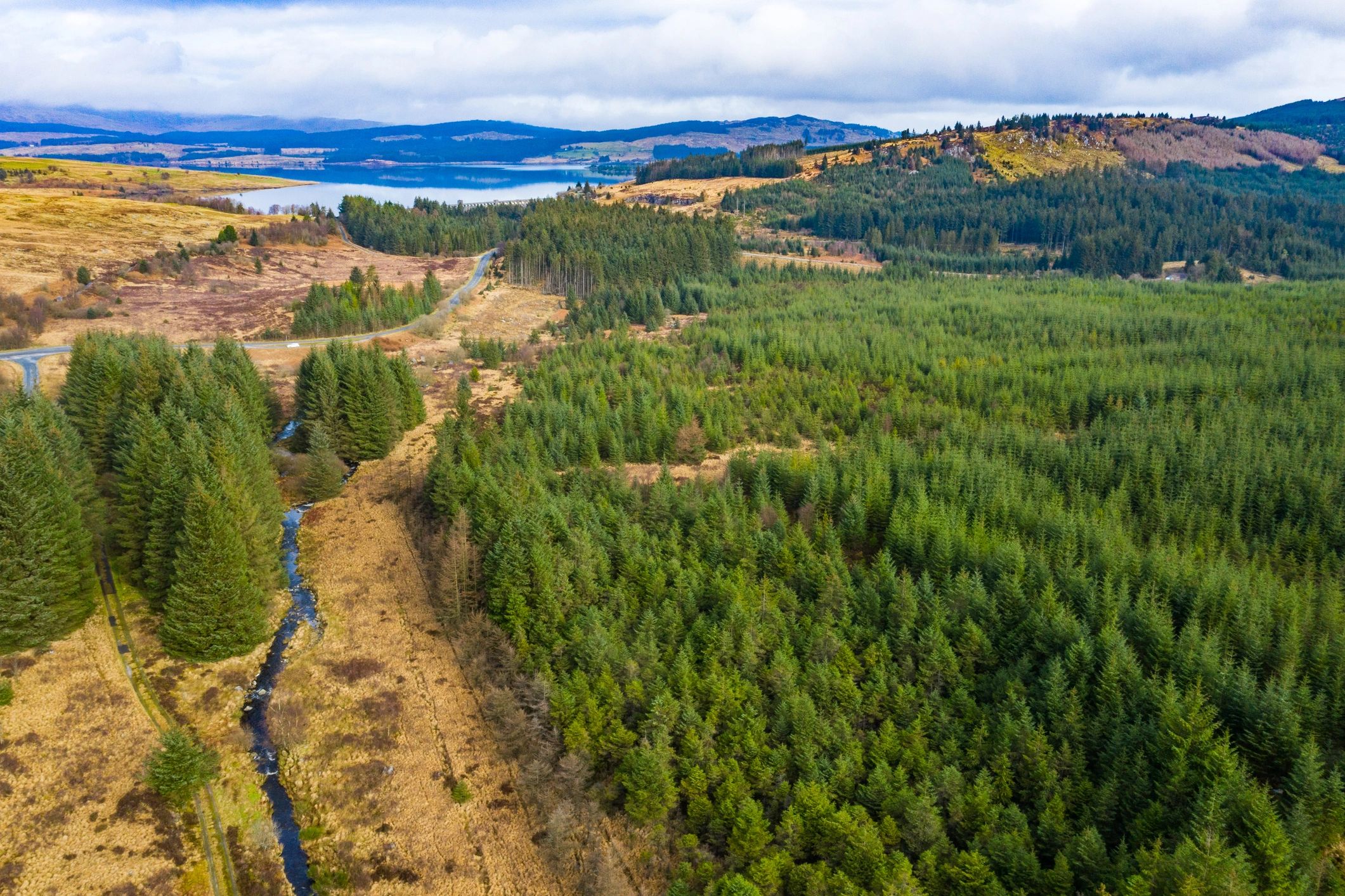
A forest is the beginning, not the end.
ATLAS does not want to treat short-term biological capture as if it were automatically permanent. Our long-term vision is bigger than planting trees. It is about keeping carbon out of the atmosphere through durable storage pathways, with a public target of 100+ years for carbon ultimately counted as durable removal.
That long-term system may involve forest growth, measurement, management, durable wood use, biochar, carbon accounting, and long-term monitoring. These are aspirations that shape the ATLAS model, not claims about infrastructure already in place.
Imagine millions of people. Imagine hundreds of millions of trees. Imagine climate action you can actually point to.
That is the scale of change we hope to help create over time.
Where the idea started.
ATLAS began with a simple frustration: a tonne of CO₂ is difficult to understand, and offsets often feel distant and abstract. What if a person could understand their footprint, choose to take responsibility for part of it, and connect that action to something physical — land, trees, and forest?
That question became ATLAS. The founder story matters only because it points back to the larger mission: building a way for personal responsibility to become visible, measurable climate action at meaningful scale.
Start by understanding your own footprint, then explore Insights for deeper context.